
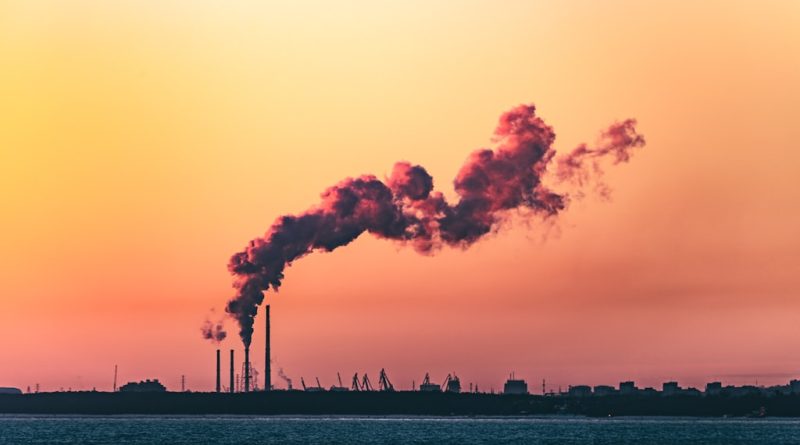
Carbon footprint in the supply chain
Supply chains generate massive carbon emissions that most companies never measure. Industrial operations are now tracking their environmental impact from raw materials to finished products, revealing hidden emission sources across every production stage. This visibility creates real opportunities for meaningful reductions!
Why tracking emissions across the supply chain matters
Mapping carbon throughout the supply chain shows the true environmental cost of industrial operations. Most facilities only measure direct emissions from their own equipment, missing upstream and downstream releases. Raw material extraction, transportation, processing and distribution all add significant carbon to the total footprint. Shipping routes, packaging choices and energy sources at different stages all leave measurable traces.
The data reveals patterns that would otherwise stay invisible. While most companies focus on their own facilities, the reality is suppliers with outdated equipment often account for a disproportionate share of total emissions. Companies that map these emissions gain insight to focus reduction efforts where they’ll matter most.
The three scopes of industrial emissions
Industrial carbon accounting divides emissions into three categories that capture the full environmental footprint. Scope 1 covers direct releases from company-owned furnaces, boilers and vehicles. Scope 2 includes indirect emissions from purchased electricity and heating.
Scope 3 represents the biggest challenge and includes:
- Upstream emissions from raw material extraction, supplier manufacturing and transportation to facilities
- Employee travel including commuting, business trips and fleet vehicles
- Product use phase covering energy consumption during customer operations
- End-of-life treatment involving waste disposal and recycling processes
Scope 3 typically accounts for 70-80% of total carbon output, yet remains the least measured category. Mapping these emissions requires collaboration with suppliers and logistics partners across the entire value chain.
Where hidden emissions accumulate
Certain production stages generate far more emissions than others. High-temperature processes in cement, steel and chemical manufacturing release substantial carbon dioxide as a byproduct. Energy-intensive operations like distillation and catalytic cracking consume massive power from fossil fuel sources.
Transportation between production stages adds another emission layer. Raw materials travel thousands of kilometers before reaching processing facilities. Each movement burns fuel and adds to the supply chain’s total footprint. Storage operations also carry hidden costs through constant energy demand for temperature control.
How companies measure carbon data
Modern facilities use advanced instrumentation to capture real-time emission data across operations. Flow meters monitor fuel consumption while gas analyzers measure carbon dioxide in exhaust streams. Energy meters track electricity usage down to individual production lines.
Digital platforms aggregate this data into comprehensive carbon accounting systems. The decarbonization process requires accurate measurement as the foundation for reduction strategies. Providers like Endress+Hauser bring decades of proven expertise in process instrumentation, delivering measurement systems that ensure accurate, auditable emission data across global operations.
Practical strategies for reducing emissions
Effective reduction starts with high-impact opportunities:
- Supplier engagement through direct programs that implement cleaner production methods
- Logistics optimization by consolidating shipments and choosing lower-emission transport modes
- Circular economy practices that design products for reuse and recycling
- Process improvements through equipment upgrades and waste reduction
Transportation offers accessible wins. Shifting from air freight to ocean shipping cuts emissions by 90% or more. Optimizing truck routes using real-time data reduces fuel consumption simultaneously. Material selection creates lasting impacts – substituting recycled content for virgin materials requires far less energy.
Building transparency with digital solutions
Digital transformation enables unprecedented visibility through connected sensors and cloud platforms. Industrial Internet of Things devices continuously monitor energy consumption across distributed operations. Blockchain creates immutable records of carbon intensity at each production stage, allowing customers to verify environmental footprints from raw materials through delivery. This transparency drives accountability and rewards suppliers who invest in cleaner operations.