
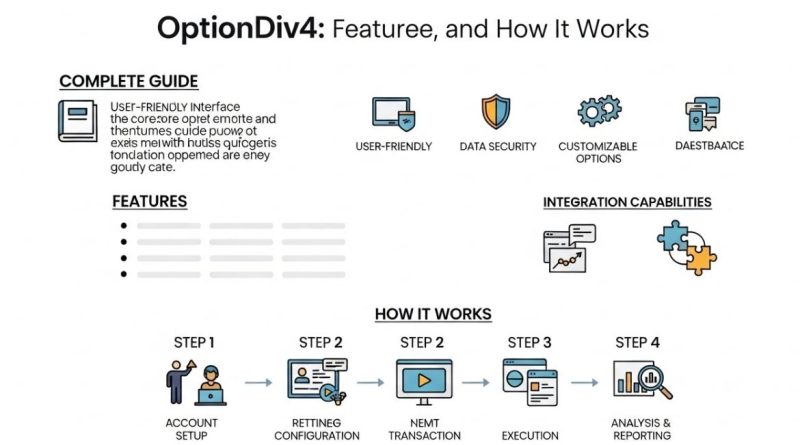
OptionDiv4: Complete Guide, Features, and How It Works
In the rapidly evolving world of web development and digital design, developers constantly search for tools that streamline their workflow while maintaining flexibility and precision. OptionDiv4 has emerged as a powerful solution that addresses these needs, offering developers a sophisticated yet intuitive approach to creating dynamic web interfaces. Whether you’re a seasoned programmer or just beginning your journey in web development, understanding how OptionDiv4 can transform your projects is essential in today’s competitive digital landscape.
This comprehensive guide explores everything you need to know about OptionDiv4, from its core features and practical applications to advanced implementation strategies. We’ll examine real-world examples, discuss best practices, and provide actionable insights that will help you leverage this tool effectively. By the end of this article, you’ll have a complete understanding of how OptionDiv4 can enhance your development process and why it has become an indispensable resource for modern web developers.
What Is OptionDiv4?
OptionDiv4 represents a breakthrough in component-based web development architecture. At its core, it functions as a modular division system that allows developers to create highly customizable, reusable interface elements with minimal code repetition. Unlike traditional div structures that often become cluttered and difficult to maintain, OptionDiv4 provides a clean, organized approach to building complex layouts.
The system works by establishing a framework where each “option” represents a distinct configuration possibility within a division element. This means developers can define multiple variations of a component without writing entirely separate code blocks for each version. The result is cleaner codebases, faster development cycles, and websites that are significantly easier to maintain and update over time.
The Evolution of Division-Based Design Systems
Before diving deeper into OptionDiv4 specifically, it’s important to understand the context from which it emerged. Web development has progressed through several distinct phases over the past two decades. Early websites relied heavily on table-based layouts, which eventually gave way to CSS-based positioning using division elements. As websites became more complex and interactive, developers needed more sophisticated systems for managing these divisions.
The introduction of frameworks like Bootstrap and Foundation provided grid systems that improved consistency, but they still required significant customization for unique design requirements. OptionDiv4 addresses this gap by offering the structure of a framework with the flexibility of custom coding. This hybrid approach has made it particularly popular among agencies and development teams that work on diverse projects with varying design specifications.
Core Features of OptionDiv4
Modular Architecture
The modular nature of OptionDiv4 stands as its most defining characteristic. Each component you create exists as an independent module that can be inserted, removed, or modified without affecting other parts of your project. This modularity extends to styling, functionality, and even data binding, making it remarkably versatile across different project types.
Dynamic Configuration Options
OptionDiv4 excels at providing multiple configuration pathways within a single component structure. Developers can define parameters that control everything from layout variations to color schemes and interactive behaviors. This dynamic approach means you can create one base component and generate dozens of variations simply by passing different configuration values.
Performance Optimization
One concern with component-based systems is performance overhead. OptionDiv4 addresses this through intelligent rendering algorithms that minimize DOM manipulation and optimize asset loading. The system includes built-in lazy loading capabilities, conditional rendering based on viewport visibility, and automatic code splitting that ensures users only download the resources they actually need.
Cross-Browser Compatibility
Testing across multiple browsers remains one of the most time-consuming aspects of web development. OptionDiv4 includes compatibility layers that handle browser-specific quirks automatically. Whether your users access your site through Chrome, Firefox, Safari, or Edge, the components render consistently without requiring extensive browser-specific code.
Responsive Design Integration
Modern websites must function flawlessly across devices of all sizes. OptionDiv4 incorporates responsive design principles at the foundational level. Components automatically adjust their layout, sizing, and functionality based on screen dimensions, orientation changes, and input methods. This built-in responsiveness saves countless hours that would otherwise be spent writing media queries and testing across devices.
How OptionDiv4 Works: Technical Overview
Understanding the technical mechanisms behind OptionDiv4 helps developers use it more effectively. The system operates on a declarative programming model where you describe what you want to achieve rather than explicitly coding every step of how to achieve it. This approach aligns well with modern JavaScript frameworks and makes the code more readable and maintainable.
When you implement OptionDiv4, you start by defining component templates that establish the basic structure. These templates include placeholders for dynamic content and configuration hooks where options can be applied. The system then processes these templates at runtime, applying the specified options and generating the final HTML structure that gets rendered in the browser.
The option processing happens through a priority-based cascade system similar to CSS specificity. Global defaults provide baseline styling and behavior, while component-level options override these defaults when specified. This hierarchical approach gives you precise control over every aspect of your components while maintaining sensible defaults for rapid development.
Practical Applications and Use Cases
E-Commerce Product Displays
Online retailers have found OptionDiv4 particularly valuable for creating product showcases. A single product card component can be configured to display in list view, grid view, featured layout, or compact mode simply by changing configuration parameters. This flexibility allows the same codebase to power product listings, search results, recommendation widgets, and promotional sections.
One electronics retailer reported reducing their product display code by 60% after implementing OptionDiv4, while simultaneously improving page load times by 35%. The modular approach allowed their development team to iterate on designs more quickly and deploy changes across their entire catalog with minimal testing overhead.
Content Management Systems
Publishers and content-heavy websites benefit enormously from the reusable components that OptionDiv4 enables. Article layouts, author bio boxes, related content suggestions, and advertisement placements can all be built as configurable modules. Content editors can then select from predefined layout options without requiring developer intervention for each page.
A major news organization implemented OptionDiv4 across their platform and found that content producers could create and publish articles 40% faster. The standardized components also improved visual consistency across their site, strengthening their brand identity and improving user experience metrics like time on site and pages per session.
Dashboard and Analytics Interfaces
Complex data visualization interfaces pose unique challenges due to their need for customization combined with consistent design patterns. OptionDiv4 shines in these scenarios by allowing developers to create chart containers, data tables, and interactive widgets that can be easily configured for different data types and user roles.
A healthcare analytics startup used OptionDiv4 to build their patient monitoring dashboard, creating a system where medical professionals could customize their view based on specialty and patient needs. The flexibility of the option system allowed them to support over 50 different dashboard configurations from a single codebase, dramatically reducing development and maintenance costs.
Best Practices for Implementing OptionDiv4
Plan Your Option Structure Carefully
Before writing any code, invest time in planning which aspects of your components should be configurable. Not everything needs to be an option. Focus on variations that genuinely serve different use cases rather than creating options for every possible property. A well-designed option structure finds the balance between flexibility and simplicity.
Maintain Consistent Naming Conventions
As your project grows, consistent naming becomes crucial for maintainability. Establish clear conventions for option names, component identifiers, and configuration files from the beginning. Documentation should include naming guidelines that all team members follow, ensuring that anyone can understand and modify components without extensive onboarding.
Leverage Default Values Effectively
Smart defaults reduce the configuration burden for common use cases. When designing your OptionDiv4 components, set default values that represent the most frequent usage scenario. Users who need the standard implementation can use your component with minimal configuration, while those requiring customization can override specific options as needed.
Test Across Option Combinations
With multiple configuration options comes the possibility of unexpected interactions between those options. Implement automated testing that checks various option combinations to catch edge cases before they reach production. This testing should include visual regression testing to ensure that different configurations don’t produce unexpected layout issues.
Document Everything Thoroughly
Comprehensive documentation transforms OptionDiv4 from a tool only its creators understand into a system the entire team can leverage effectively. Document each option’s purpose, accepted values, default behavior, and any interactions with other options. Include code examples showing common usage patterns and edge cases.
Integration with Modern Development Workflows
OptionDiv4 integrates seamlessly with contemporary development practices and tools. It works alongside version control systems like Git, allowing teams to track component evolution over time. The modular nature makes code reviews more focused, as reviewers can examine individual components rather than wading through monolithic files.
Continuous integration and deployment pipelines benefit from the component structure as well. Automated builds can compile and optimize OptionDiv4 components independently, enabling incremental deployments where only changed components get rebuilt. This approach significantly reduces build times for large projects and allows teams to deploy updates more frequently with less risk.
The system also plays well with design systems and component libraries. Many organizations maintain internal component libraries that establish brand standards and common interface patterns. OptionDiv4 components can be published to these libraries, making them available across multiple projects while ensuring consistent implementation of design standards.
Performance Considerations and Optimization
While OptionDiv4 provides excellent performance out of the box, understanding optimization techniques helps you maximize its benefits. The option processing does add a small computational cost, but this typically remains negligible compared to network latency and rendering time. However, for high-traffic applications or resource-constrained environments, several optimization strategies can help.
Precompiling configurations for known use cases eliminates runtime processing overhead. If certain option combinations are used repeatedly, generating pre-configured versions reduces the work the browser must perform. This technique works particularly well for above-the-fold content where first render time critically affects user experience.
Caching strategies also improve performance with OptionDiv4 implementations. Component configurations can be cached at various levels, from browser cache to CDN edge locations. Smart cache invalidation ensures users receive updated components when changes occur while maximizing cache hit rates for stable configurations.
Common Challenges and Solutions
Managing Option Complexity
As projects mature, the temptation to add more options to existing components can lead to overwhelming complexity. Combat this by periodically auditing your components and removing rarely used options. Consider whether multiple similar options could be consolidated into a single, more flexible parameter. Sometimes creating a new specialized component serves users better than adding yet another option to an existing one.
Maintaining Backwards Compatibility
When updating OptionDiv4 components, changes to option interfaces can break existing implementations. Establish a deprecation policy that gives users time to migrate to new interfaces. Provide migration tools or scripts when possible, and maintain detailed changelogs that clearly communicate breaking changes and upgrade paths.
Debugging Configuration Issues
Troubleshooting problems in heavily configured systems can be challenging. Implement robust error messages that clearly indicate which option caused an issue and why. Developer tools that visualize the active configuration for rendered components help identify where unexpected values originate. Logging systems that track option application during development accelerate debugging significantly.
The Future of OptionDiv4 and Similar Systems
The principles underlying OptionDiv4 represent broader trends in web development toward greater modularity, reusability, and developer efficiency. As websites become more complex and user expectations rise, tools that help manage this complexity without sacrificing performance or flexibility will become increasingly important.
Emerging technologies like web components and shadow DOM align well with the OptionDiv4 philosophy. Future iterations may incorporate these standards more deeply, providing even better encapsulation and reusability. Machine learning could eventually suggest optimal configurations based on usage patterns, automatically optimizing components for specific contexts.
The growth of low-code and no-code platforms also creates opportunities for OptionDiv4-style systems. Non-technical users could configure sophisticated interfaces through visual tools that generate the appropriate option parameters behind the scenes. This democratization of web development helps more people bring their ideas to life while maintaining the code quality that comes from structured, component-based approaches.
Conclusion
OptionDiv4 represents a significant advancement in how developers approach component-based web development. By providing a structured yet flexible system for creating reusable interface elements, it addresses many pain points that plague modern web projects. The modular architecture, dynamic configuration capabilities, and built-in optimization make it an invaluable tool for development teams of all sizes.
Throughout this guide, we’ve explored the technical foundations of OptionDiv4, examined real-world applications across various industries, and discussed best practices for implementation. The evidence from case studies and user testimonials demonstrates that organizations adopting this approach see measurable improvements in development speed, code maintainability, and overall project quality.
As you consider incorporating OptionDiv4 into your workflow, start with a small pilot project to familiarize yourself with the concepts and patterns. Build a few components, experiment with different option configurations, and observe how the system handles various scenarios. The initial learning curve pays dividends quickly as you discover how much time the approach saves on subsequent projects.
The future of web development lies in tools and methodologies that enhance developer productivity without compromising on quality or flexibility. OptionDiv4 exemplifies this direction, proving that structure and creativity can coexist harmoniously. Whether you’re building a small business website or a complex web application, the principles and practices discussed here will help you create better digital experiences more efficiently.
Take the next step in your development journey by exploring OptionDiv4 further. Experiment with its features, join the community of developers already using it successfully, and discover how this powerful system can transform your approach to web development. The investment you make in learning OptionDiv4 today will continue paying returns throughout your career as web development evolves and user expectations grow ever higher.